
GHK-Cu vs AHK-Cu: Copper Peptides for Skin & Hair Research
Quick answer: GHK-Cu and AHK-Cu are both copper-binding peptides studied for skin and hair applications. GHK-Cu is the more researched of the two, associated with skin remodeling and wound-healing pathways. AHK-Cu is studied more specifically in the context of hair follicle support. Both are used primarily in topical cosmetic formulations.
Copper peptides have become a recognizable category in skincare and hair-care research. Two of the most discussed are GHK-Cu and AHK-Cu. They sound similar and share a copper-binding mechanism, but they differ in structure, research depth, and the applications they’re studied for. Here’s how they compare.
What copper peptides are
Copper peptides are short chains of amino acids bound to a copper ion. The copper isn’t incidental — it’s central to how these molecules are thought to work. Copper is involved in numerous enzymatic and signaling processes in skin, including those tied to collagen and elastin formation and tissue remodeling.
The peptide portion acts partly as a delivery and stabilization vehicle for the copper, and partly contributes its own signaling activity. Both GHK-Cu and AHK-Cu fit this general pattern, with different specifics.
GHK-Cu: the well-studied one
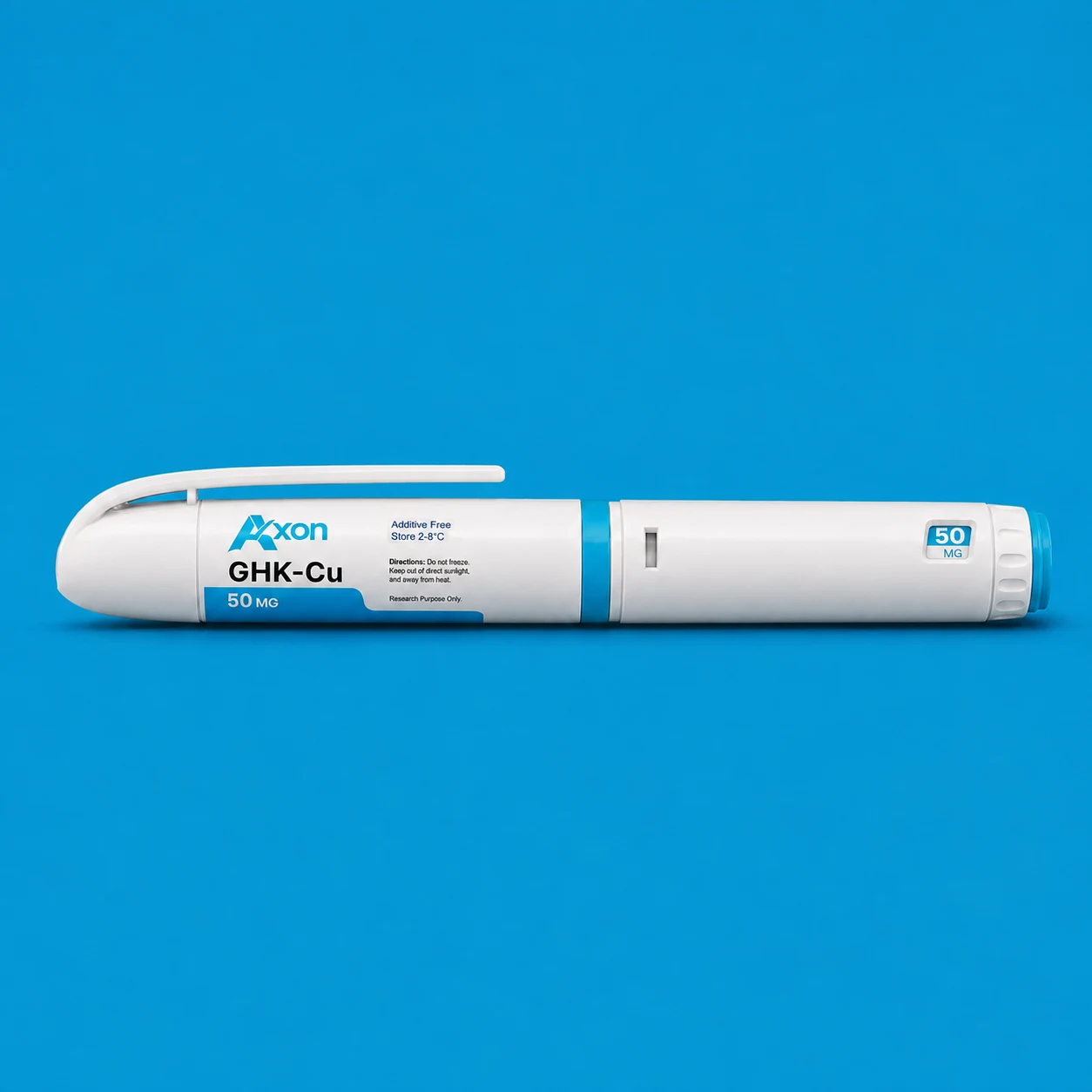
GHK-Cu (glycyl-L-histidyl-L-lysine copper) is the more extensively researched copper peptide. GHK is a naturally occurring tripeptide found in human plasma, and its levels are known to decline with age — a fact often cited as the rationale for studying it in skin aging.
Research has associated GHK-Cu with:
- Skin remodeling — signaling related to collagen and elastin production
- Wound-healing pathways — a long-standing area of study
- Antioxidant and anti-inflammatory activity in laboratory settings
GHK-Cu is the copper peptide most likely to appear in published cosmetic-science literature and in commercial topical formulations.
AHK-Cu: the hair-focused one
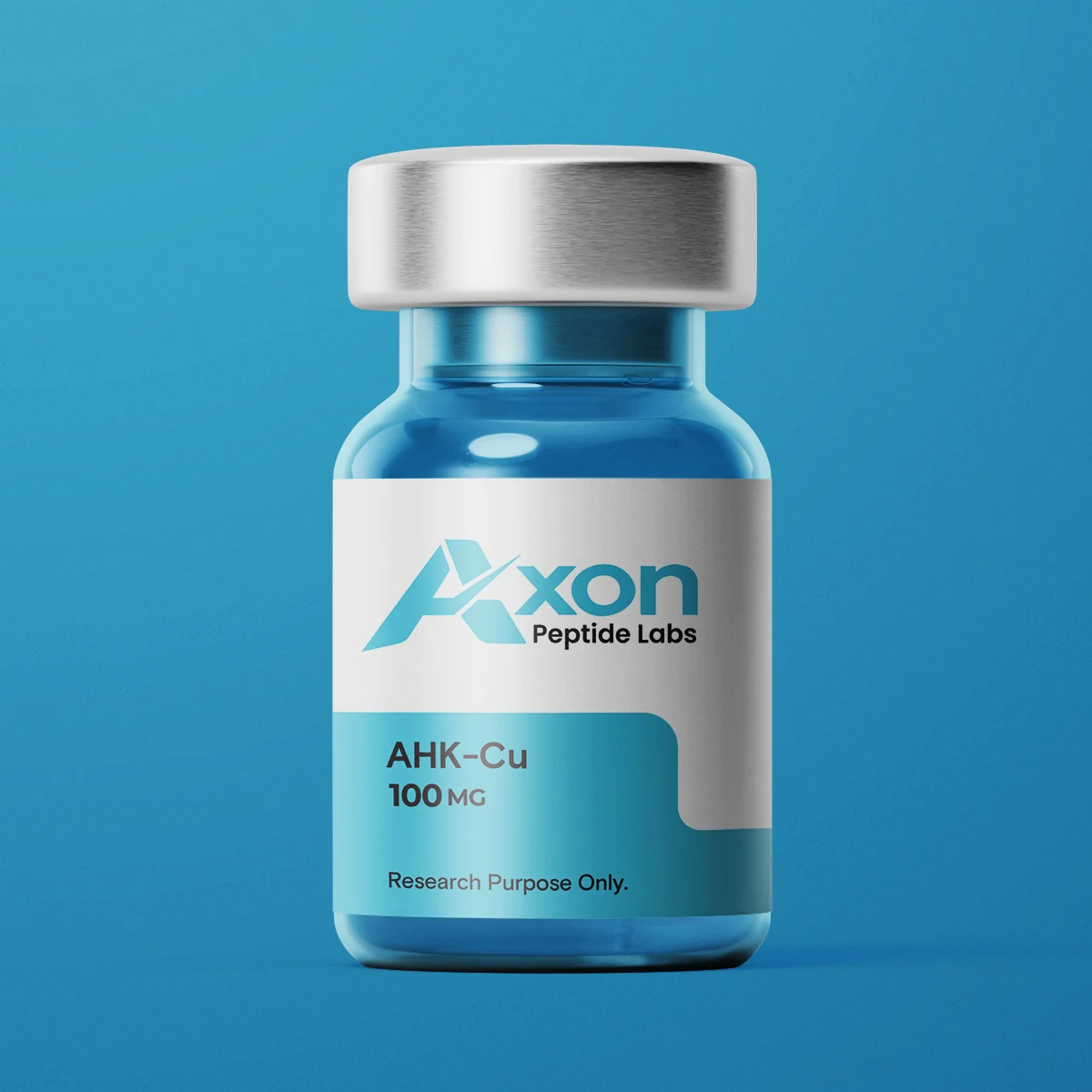
AHK-Cu (alanyl-L-histidyl-L-lysine copper) is structurally similar — a tripeptide-copper complex — but swaps the first amino acid (alanine instead of glycine). It has a smaller research base than GHK-Cu and is studied more specifically in the context of hair.
Research interest in AHK-Cu centers on:
- Hair follicle support — studied in relation to follicle activity and the hair growth cycle
- Vascularization signaling around the follicle, which some studies link to follicle health
The evidence base for AHK-Cu is thinner than for GHK-Cu, so claims about it should be read with that in mind.
Side-by-side comparison
| GHK-Cu | AHK-Cu | |
|---|---|---|
| Full name | Glycyl-histidyl-lysine copper | Alanyl-histidyl-lysine copper |
| Primary research focus | Skin remodeling, wound healing | Hair follicle support |
| Research depth | More extensive | More limited |
| Naturally occurring? | GHK occurs in human plasma | Synthetic analog |
| Common use context | Topical skincare | Topical hair products |
These and related compounds sit in the broader skin & hair peptide category if you’re comparing options.
What the research does and doesn’t establish
A fair reading of the literature:
GHK-Cu has a genuine and decades-long research record, much of it laboratory and animal work, with some human topical studies. The mechanisms are plausible and reasonably well characterized. That said, “studied in” and “shown to signal” are not the same as “clinically proven to produce a given cosmetic result,” and a lot of the strongest claims outrun the strongest evidence.
AHK-Cu has a smaller, more preliminary body of research. The hair-follicle rationale is mechanistically interesting but less established. Treat confident hair-growth claims about it with appropriate skepticism.
For both, most legitimate use is topical, in formulated products, and the research reflects that context.
How they’re used in formulations
In cosmetic formulation, copper peptides are typically included at low concentrations in serums, creams, and leave-on products. A few practical notes from formulation science:
- Copper peptides can interact with other actives — vitamin C and certain exfoliating acids are commonly cited as ingredients that may not pair well in the same application
- Concentration and pH affect stability and activity
- The delivery vehicle matters as much as the peptide itself for topical products
These are formulation considerations, not usage instructions — the specifics depend entirely on the product and its intended application.
Checking quality
As with any peptide, the quality signals are in the documentation. Look for a batch-specific Certificate of Analysis reporting purity and identity — you can review COA records here. Purity matters for formulation work just as it does elsewhere: an impure or misidentified input undermines whatever you’re trying to study or make.
Frequently asked questions
What’s the difference between GHK-Cu and AHK-Cu?
Both are copper-binding tripeptides. GHK-Cu (glycine-based) is more researched and associated with skin remodeling and wound healing; AHK-Cu (alanine-based) is studied more specifically for hair follicle support and has a smaller evidence base.
Which is better for skin?
GHK-Cu has the more substantial research record for skin applications. AHK-Cu’s research leans toward hair.
Are copper peptides used topically?
Yes — both are used primarily in topical cosmetic formulations such as serums and creams.
Is the research conclusive?
GHK-Cu has a solid mechanistic research base, much of it preclinical; AHK-Cu’s is more preliminary. Mechanistic plausibility isn’t the same as proven cosmetic outcomes, so claims should be read critically.
Can copper peptides be combined with other skincare actives?
Formulation guides commonly caution against pairing them with vitamin C or strong acids in the same application, as interactions can affect stability.